The Heihe–Tengchong Line is an imaginary line that divides the area of China into two roughly equal parts. Chinese population geographer Hu Huanyong proposed this line in 1935. East of the line: 36% of the area, but 96% of the population
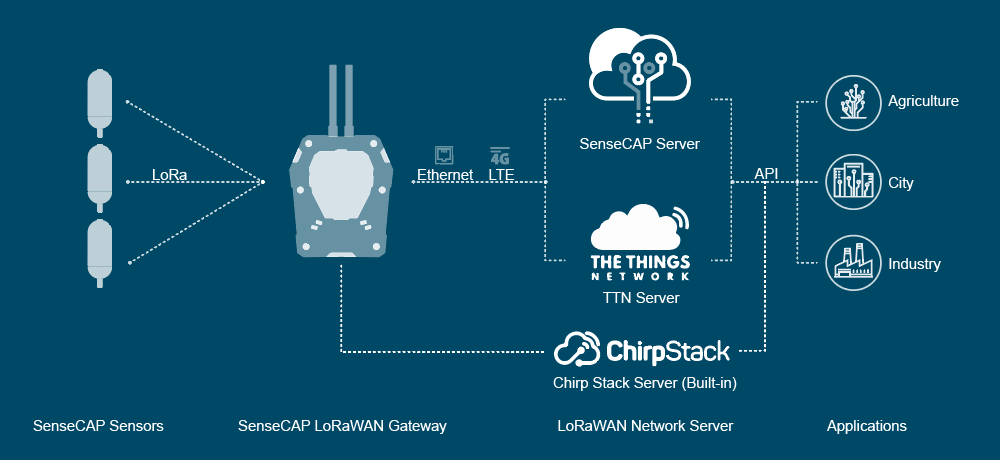
This is an introduction to LoRa and LoRaWAN technology.
LoRa is a long-range and lower-power wireless communication system that provides attractive features critical for application in Industrial IoT.
On top of this wireless infrastructure sits the LoRaWAN network protocol. The open design of LoRaWAN and the Long-range capabilities make LoRa Technology ideal for the Internet of Things (IoT). In recent years it has become the de facto standard for wireless IoT equipment.
Since there are many (and increasing) needs of IoT devices in different vertical industries, especially for low-power, long-range rote data collection scenarios, LoRa is no doubt one of the most sought-after technologies in the market.
Google Earth provides a timeline of satellite photos to see how the exact location has changed from 1984 to 2020, with more than a dozen official locations currently available.
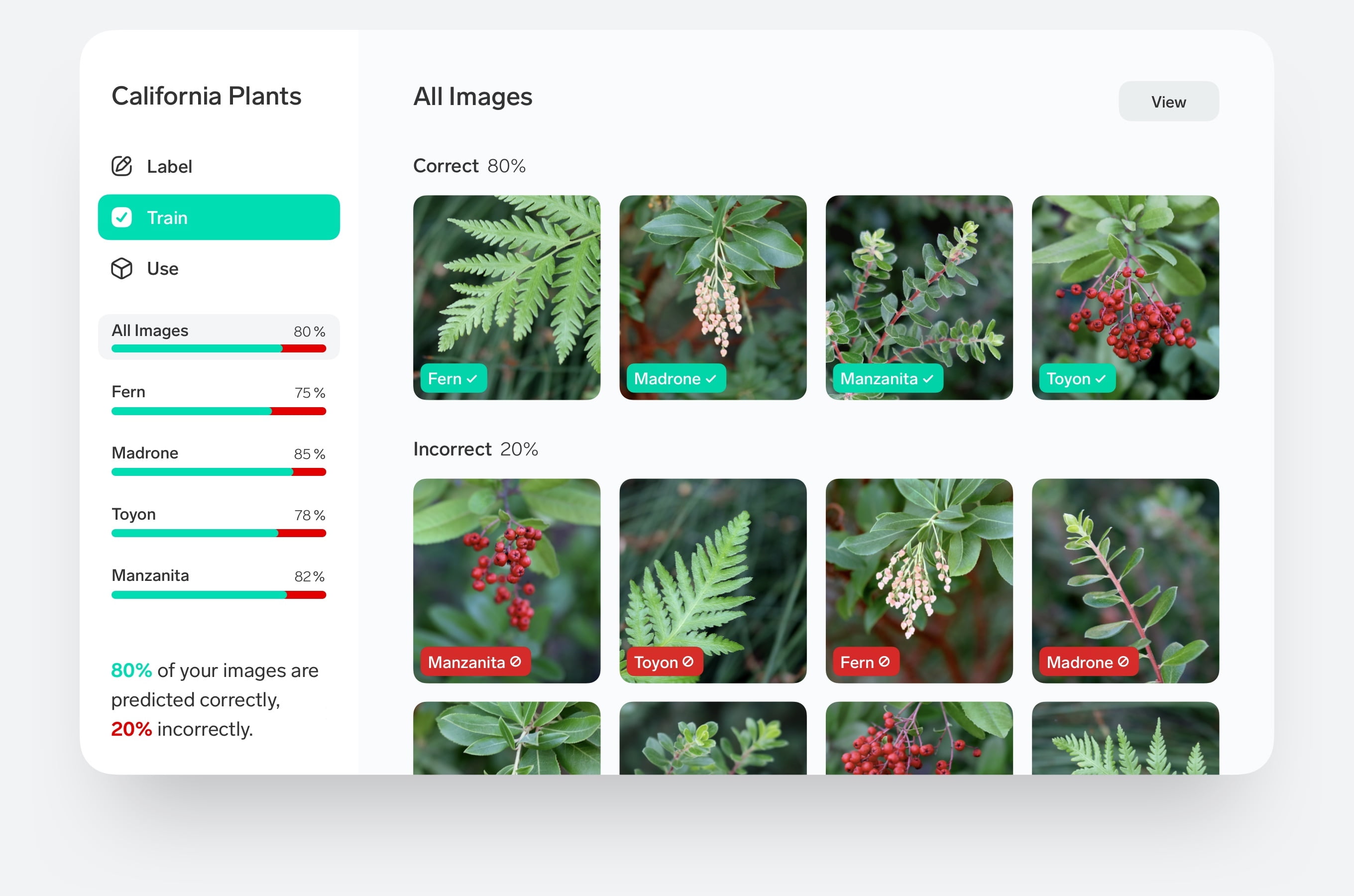
Students can quickly build, train, and apply machine learning models to track and inform plant health with Lobe.
Lobe simplifies the process of machine learning into three easy steps. Collect and label your images. Train your model and understand your results. Then play, improve, and export your model.
A ranked list of awesome machine learning Python libraries. It is updated weekly.

Lux is a Python library that facilitates fast and easy data exploration by automating the visualization and data analysis process. By simply printing out a dataframe in a Jupyter notebook, Lux recommends a set of visualizations highlighting interesting trends and patterns in the dataset. Visualizations are displayed via an interactive widget that enables users to quickly browse through extensive visualizations and make sense of their data.
Here is a 1-min video introducing Lux, and slides from a more extended talk.
const winston = require("winston");

const logger = winston.createLogger({
  level: "info",
  format: winston.format.json(),
  defaultMeta: { service: "user-service" },
  transports: [
    //
    // - Write all logs with level `error` and below to `error.log`
    // - Write all logs with level `info` and below to `combined.log`
    //
    new winston.transports.File({ filename: "error.log", level: "error" }),
    new winston.transports.File({ filename: "combined.log" }),
  ],
});

//
// If we're not in production then log to the `console` with the format:
// `${info.level}: ${info.message} JSON.stringify({ ...rest }) `
//
if (process.env.NODE_ENV !== "production") {
  logger.add(
    new winston.transports.Console({
      format: winston.format.simple(),
    })
  );
}
A logger for just about everything.

Design unique graphics in minutes from your browser, for free and without an account
Online realistic handwriting generator. Convert text to handwriting using an in-browser recurrent neural network. Choose from various print and cursive styles.

An interactive cheatsheet tool for the command-line and application launchers.
Navi allows you to browse through cheatsheets (you may write yourself or download from maintainers) and execute commands. Suggested values for arguments are dynamically displayed in a list.

The self-guided interactive tutorials are designed to introduce you to decentralized web concepts, protocols, and tools.

-
There are no dumb ideas. Only early ones. --Marc Andreessen
-
The difference between successful people and really successful people is that really successful people say no to almost everything --Warren Buffett
-
People think focus means saying yes to the thing you've got to focus on. But that's not what it means at all. It means saying no to the hundred other good ideas that there are. You have to pick carefully. I'm actually as proud of the things we haven't done as the things I have done. Innovation is saying no to 1,000 things. --Steve Jobs