Python
IO
try:
    f = open('/path/to/file', 'r')
    print(f.read())
finally:
    if f:
        f.close()
Python 引入了 with 语句来自动帮我们调用 close() 方法:
with open('/path/to/file', 'r') as f:
    print(f.read())
调用 read() 会一次性读取文件的全部内容,read(size) 方法,每次最多读取size个字节的内容。
调用 readline() 可以每次读取一行内容,调用 readlines() 一次读取所有内容并按行返回 list 。
bytes/str
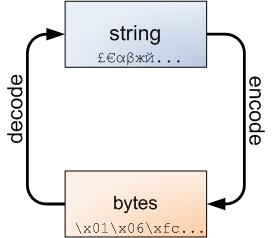
# bytes object
b = b"example"

# str object
s = "example"

# str to bytes
bytes(s, encoding = "utf8")

# bytes to str
str(b, encoding = "utf-8")

# an alternative method
# str to bytes
str.encode(s)

# bytes to str
bytes.decode(b)
常见问题
数组去空
list(filter(lambda x: bool(x), [11, 22, '', None]))

# 或
[x for x in [11, 22, '', None] if x]

Python
IO
Python 引入了
with语句来自动帮我们调用close()方法:调用
read()会一次性读取文件的全部内容,read(size)方法,每次最多读取size个字节的内容。调用
readline()可以每次读取一行内容,调用readlines()一次读取所有内容并按行返回list。bytes/str
常见问题
数组去空