
- What is Cloud Foundry
- What are Pivotal Cloud Foundry and Pivotal Web Services
- How to develop your app as Cloud-native application
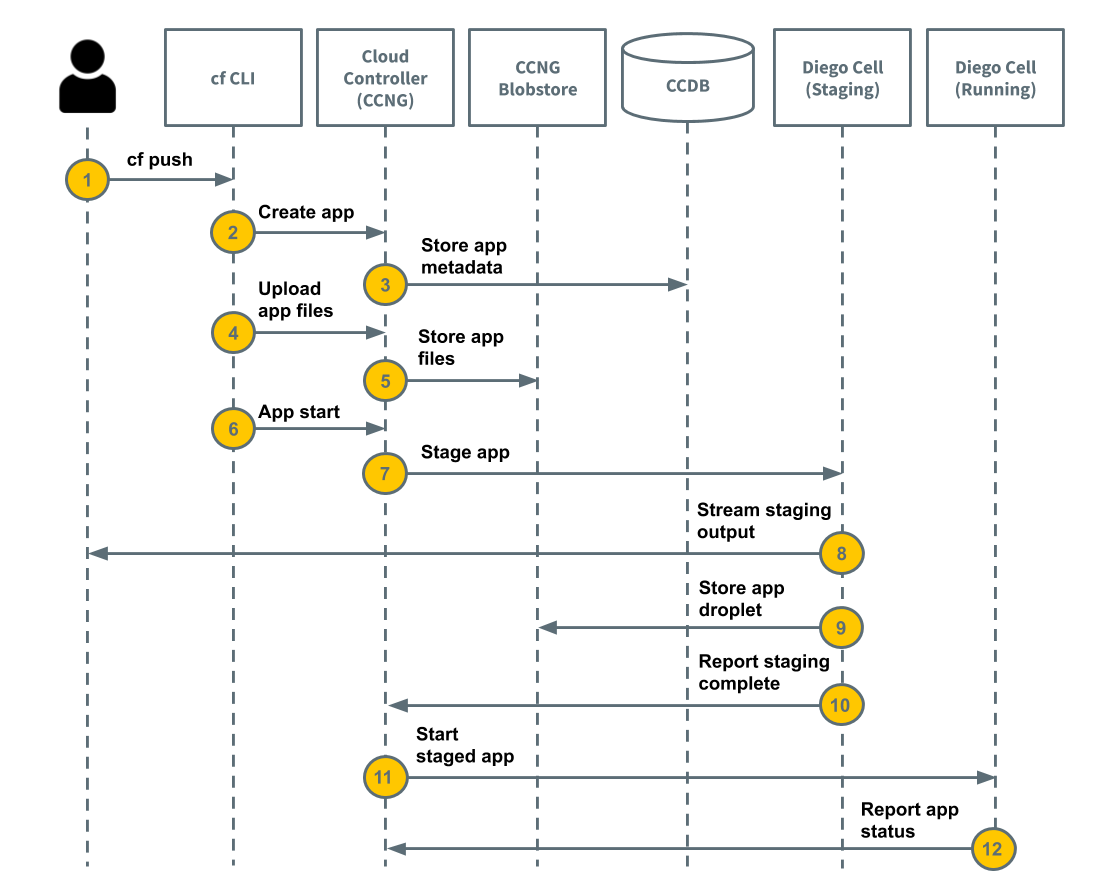
- How to deploy and maintain a cloud-native app in Cloud Foundry
- How to access external resources/services from your app
- How is Cloud Foundry designed
- Reportedly, some of the giants in IT industry actively use it in massive-scale production load, e.g. Baidu and IBM Bluemix.
- Our enterprise clients(Like
XXX,XXX) use it. - One of our industry spotlights is Cloud, and the recent heat shifted from IaaS to PaaS - and CF is a major and mature player in PaaS solutions
- Gain insights of modern PaaS architecture and design
I want to use Docker-native solutions!
I want to use kubernetes!
I want to use Docker Swarm!
I want to use Rancher!
- Cloud Foundry actually supports deployment of Docker containers
- If you use Heroku or other PaaS/CaaS, it shares similarities with CF, e.g. buildpacks.
- You also learn how to design and implement apps that are cloud-native.
- You still gain insights of how a fully-mature & production-ready PaaS is architecturally designed.
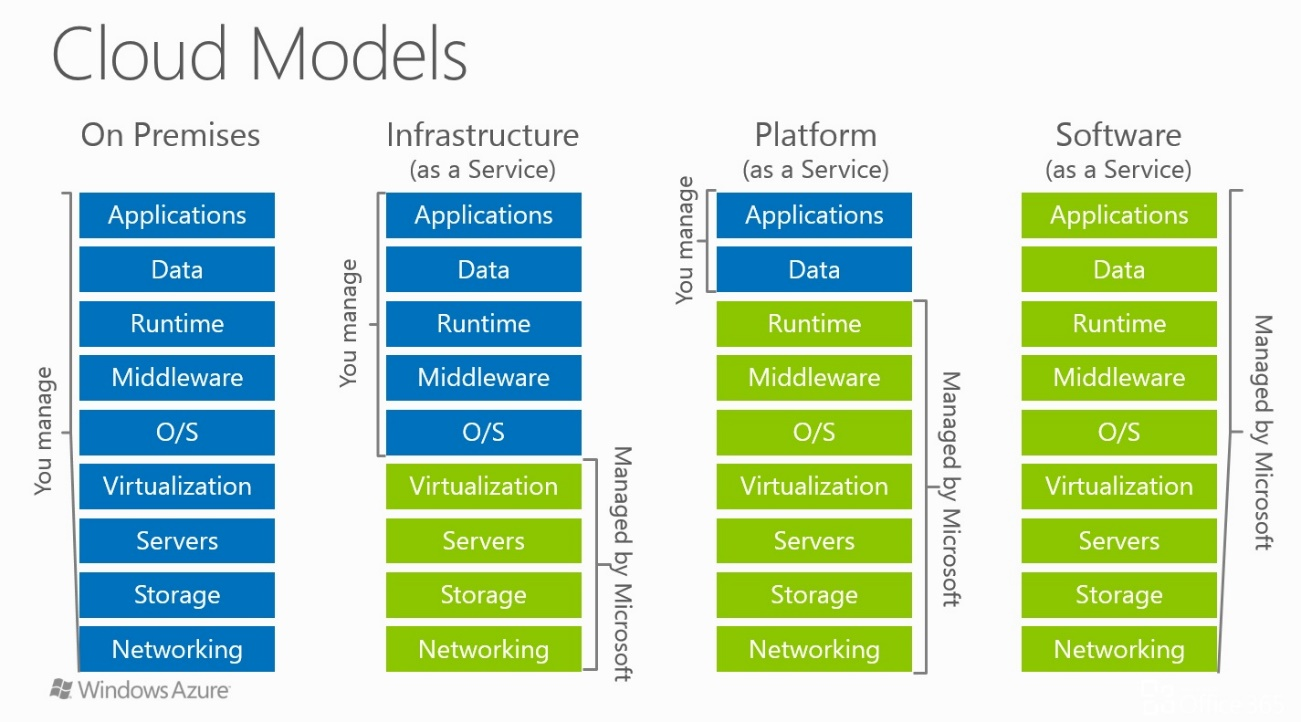
- Open source
- Stable & Robust
- Large user group/community
- Both old & modern


- Availability Zones
- Health Management for App Instances
- Process Monitoring
- Resurrection for VMs
Ref: https://docs.cloudfoundry.org/concepts/high-availability.html#health-management-apps
http://12factor.net/backing-services
- Create
- bind
- unbind
- delete