Render every single road in any city at once. Explorer
The data is fetched from OpenStreetMap using overpass API.
The name resolution is made by Nominatim

The idea of supporting reusability and sharing of spatial data by building information as infrastructure has been around for many years under the concept of Spatial Data Infrastructures (SDI). Canada has a highly developed SDI, which uses a distributed model to support access, sharing, and use of diverse spatial information.
The Building Energy Mapping and Analytics Concept Development Study (BEMA-CDS) addressed the challenge posed by this situation by:
- Characterizing the state of development of energy mapping and analytics for the building stock broadly; and
- Informing IT architectural practices and standards to enable mapping and analytics specifically of residential energy use and efficiency.
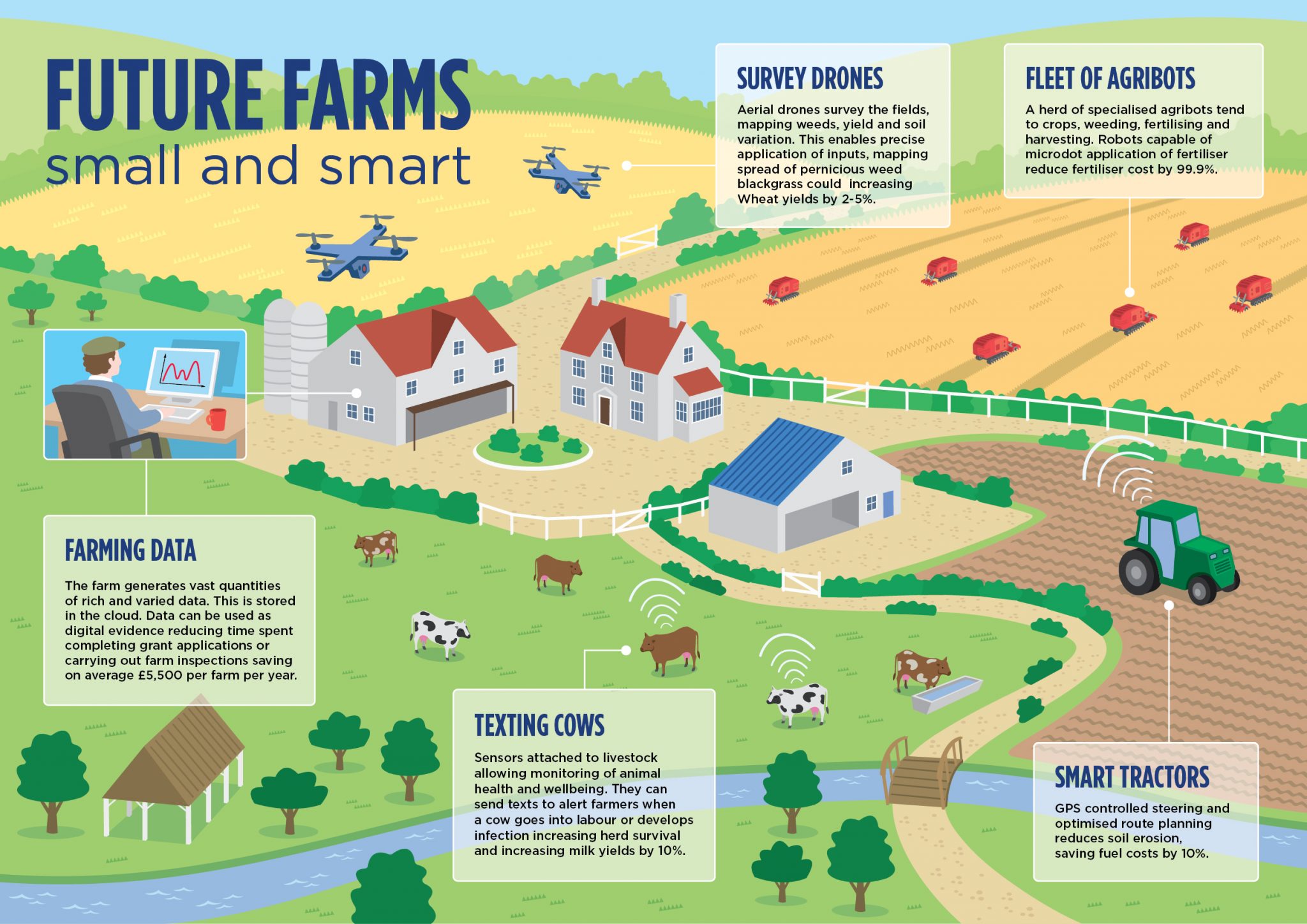
With the thriving world population, a change in the system is required now, more than ever. Implementing IoT in the agriculture business can bring an extremely positive change.
AI is cranking out increasingly sophisticated visual, musical, and literary works. But, unfortunately, AI-generated media will flood the market, squeezing out human artists and depriving the world of their creativity.
AI makes a beautiful complement to human creativity, producing variations, offering alternatives, or supplying a starting point for traditional artistic exploration.

Qlib is an AI-oriented quantitative investment platform, which aims to realize the potential, empower the research, and create the value of AI technologies in quantitative investment.
The components are designed as loose-coupled modules, and each component could be used stand-alone.
- Infrastructure layer provides underlying support for Quant research.
- Workflow layer covers the whole workflow of quantitative investment.
- Interface layer tries to present a user-friendly interface for the underlying system.

Algorand is a blockchain-based cryptocurrency platform that aims to be secure, scalable, and decentralized.

KubeSphere is a distributed operating system for cloud-native application management, using Kubernetes as its kernel. It provides a plug-and-play architecture, allowing third-party applications to be seamlessly integrated into its ecosystem.

DeFi is short for "decentralized finance," an umbrella term for Ethereum and blockchain applications geared toward disrupting financial intermediaries.
It's a movement that uses open-source and distributed networks to transform traditional financial products into a reliable and transparent protocol without intermediaries.

There are several benefits that DeFi Lending provides to its users.
- Interoperability
- Improved loan origination speed
- Greater consistency in lending decisions
- Compliance with Federal, State and Local regulations
- Analytics for process improvement and portfolio profitability
This guide introduced you to the blockchain at a high level. First, it zoomed in on the concept of blockchain-based databases, including the similarities and differences between traditional databases and blockchain-based databases.
The blockchain-based database is not central, and there is no administrator. Instead, it's a peer-to-peer network. Everyone is connected to the web, and each node in the network has a copy of the current database.
The author then offered some tips on how to choose the best blockchain-based database for your project. Finally, the author evaluated seven of the top blockchain-based databases and discussed how they function their use cases, and their superpowers.
Flight rules for git that list, step-by-step, what to do if X occurs, and why. Essentially, they are highly detailed, scenario-specific standard operating procedures.
-
A "hero" project is one where 80% or more of the contributions are made by the 20% of the developers. Those developers are called "hero" developers. An analysis of more than 1,000 open source GitHub projects shows that most of them are hero projects. --Why Software Projects need Heroes
-
Where is the innovation in copy and paste? which I think is such a fallacious argument. It's so condescending to think that all that is required to launch a business is to look at a model and replicate it in another market. It's not that easy.
The innovation is the execution: adapting the model to fit, understanding the local needs. --How a VC kingmaker spots the next big startup