현재 저희 api는 level1 수준입니다. 좀 더 restful한 api 설계를 위해 level2로 리펙토링 방향성을 제시합니다.
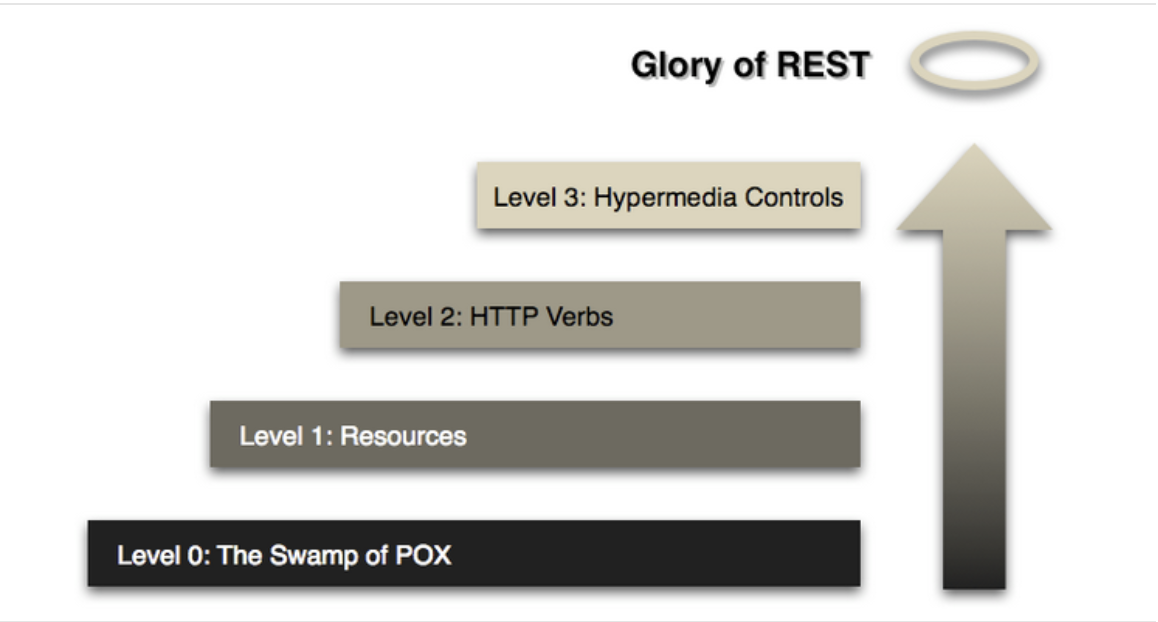
우선 level1에 맞지 않는 url 형태가 있습니다.
1. Path Variable에는 카멜케이스(camelCase)를 사용하자
Bad:
[GET] /orders/{order_id}
[GET] /orders/{OrderId}
Good:
[GET] /orders/{orderId}
2. Collection에는 단수가 아닌 복수를 사용하자
Bad:
Good:
[GET] /users
3. Collection으로 시작해서 Identifier로 끝나자.
Bad:
[GET] /shops/{shopId}/products/{productId}/price
리소스 대신에 price라는 속성을 가리키기 때문에 좋지 않습니다.
Good:
[GET] /shops/{shopId}
[GET] /products/{productId}
이제 level2를 위한 리펙토링 방향성을 제시합니다.
HTTP method인 GET, POST, PUT, DELETE를 사용해 CRUD를 나타내고 메시지에 Status Code도 담겨 반환합니다.
Request
POST https://users
{
  "name": "nhn-commerce"
}
Response
HTTP/1.1 201 Created
Content-Type: application/json
{
  "result" {
    "id": "1",
    "name": "nhn-commerce"
  }
}

현재 저희 api는 level1 수준입니다. 좀 더 restful한 api 설계를 위해 level2로 리펙토링 방향성을 제시합니다.
우선 level1에 맞지 않는 url 형태가 있습니다.
1. Path Variable에는 카멜케이스(camelCase)를 사용하자
Bad:
Good:
[GET] /orders/{orderId}2. Collection에는 단수가 아닌 복수를 사용하자
Bad:
Good:
[GET] /users3. Collection으로 시작해서 Identifier로 끝나자.
Bad:
[GET] /shops/{shopId}/products/{productId}/price리소스 대신에 price라는 속성을 가리키기 때문에 좋지 않습니다.
Good:
이제 level2를 위한 리펙토링 방향성을 제시합니다.
HTTP method인 GET, POST, PUT, DELETE를 사용해 CRUD를 나타내고 메시지에 Status Code도 담겨 반환합니다.
Request
Response